Stop Prompting.
Start Architecting.

You are the architect. AI is the contractor. 5 concepts that will change how you see the tool — not just how you use it.

What's Possible

PhD defense presentation
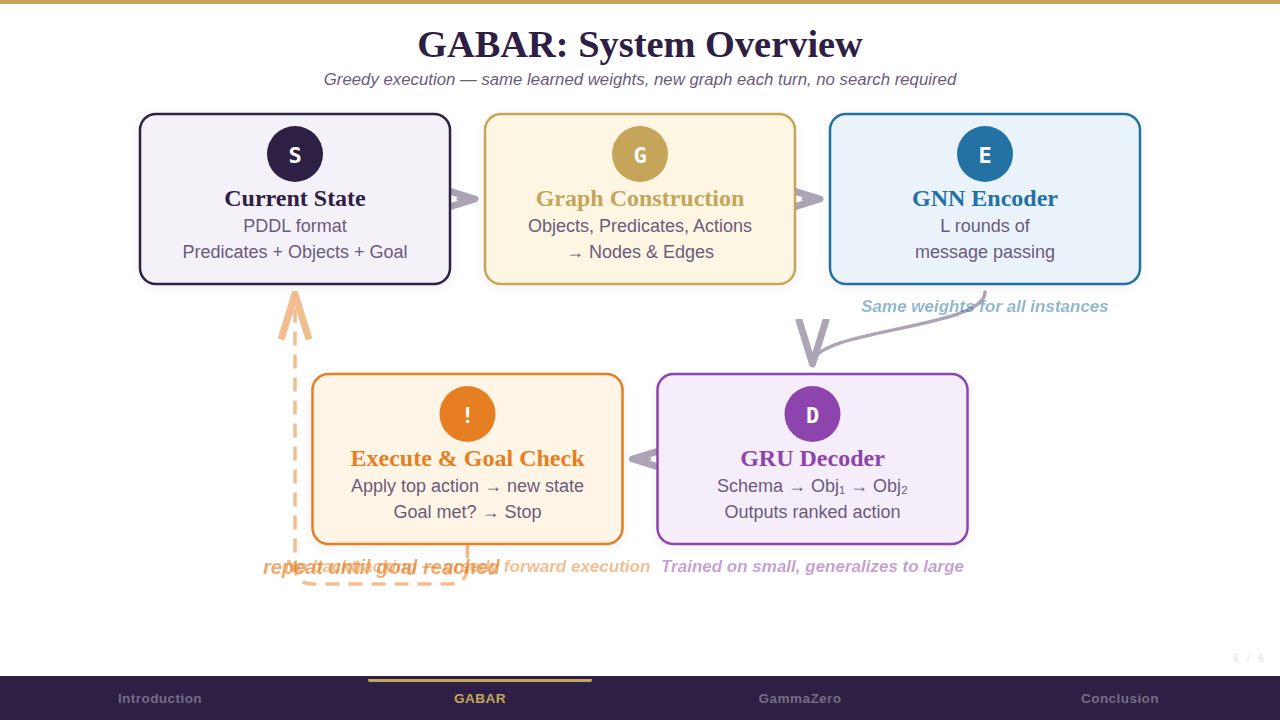
45-slide PhD defense — built without knowing HTML
TrackMind app
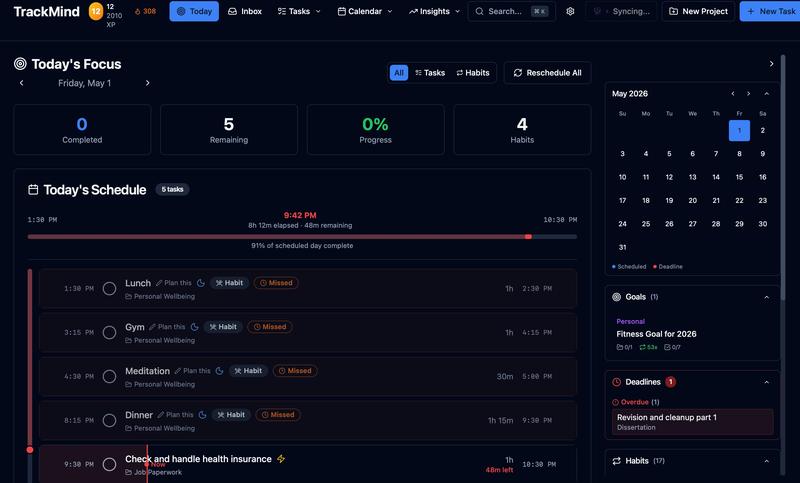
TrackMind — public planner + habit tracker

This isn't about what I built. It's about a way of thinking that made it possible — a way you already have as coders but probably aren't applying to AI yet.

5 concepts that build on each other. Each one makes the next click.

Concept 1

Everything Is Buildable

Most people use AI for text — summarize, email, brainstorm. That's using 10% of the tool.

AI is exceptional at writing code. Code solves structured problems. Financial tracking, meal planning, a PhD defense — these aren't "software projects." They're problems that become software once you see them that way.

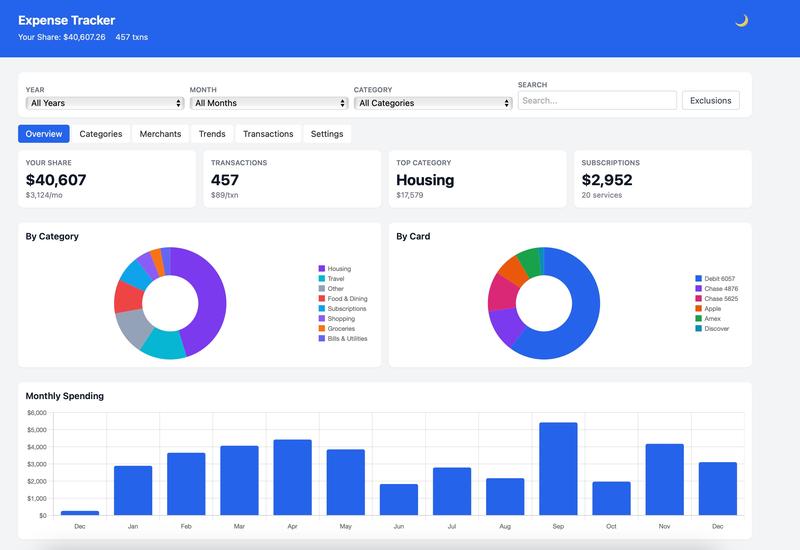
Example: The Finance Tracker

What I Wanted

"I want to visualize my finances." See where money goes. Spot trends.

The Reasoning

Visualize finances → what are the codable chunks? Data model, input form, charts, trend analysis → took inspiration from Intuit QuickBooks → described each piece to AI separately → each chunk is a problem AI can solve.

The Shift

"Oh — there's a LOT that can be done here." This was the moment AI went from chatbot to builder.

Finance tracker app

Example: TrackMind

What I Wanted

"I need to plan my week better." The real problem was complex planning logic — recurring tasks, habit streaks, time blocking, goal dependencies. No single app handled all of this.

The Reasoning

What are the codable chunks? Scheduling engine, habit tracker, UI for daily/weekly views → took inspiration from existing planner + habit apps, cherry-picked the best ideas → first built a terminal-only app (just the logic) → then moved to a web app for convenience. Each chunk is a problem AI can solve.

The Result

Made it public. Real people use it at track-mind.netlify.app

Example: The PhD Defense

What I Wanted

"I need to defend my PhD." What is a defense, really? It's a story. A story is best told visually. But even better — interactively.

The Reasoning

Tell a story → tell it visually → tell it interactively → what are the codable chunks? Content structure, narrative flow, visual design, individual slides, custom visualizations, integration, review. Each chunk is a problem AI can solve.

The Pattern

Finance, the planner, and the PhD look like completely different problems. But the abstract reframe is identical: what do I actually want? → break it into codable chunks → solve each chunk with AI. The specific technology is incidental.

Most people: "I wish there was an app for this."   You: "I can describe this app to AI and have it built in 20 minutes." You can take inspiration from already-solved problems — QuickBooks for finance, existing planners for scheduling — cherry-pick the best ideas, and break them into codable chunks for AI.

Concept 2

Decomposition Is the Real Skill

The real work isn't prompting — it's what happens before you prompt.

You are the architect. AI is the contractor. An architect who lays bricks builds a bad house. A bricklayer with no blueprint builds a worse one.

PhD Defense: 7 Workstreams, 50+ Chats

Each workstream = different thinking = separate AI chats

1 · Content

Structure the argument. Started from thesis.

2 · Narrative

Flow & storytelling. Like a colleague reviewing your talk.

3 · Visuals

Colors, fonts, mood. One chat just for the palette.

4 · Slides

Per-slide construction. Each in its own chat.

5 · Visualizations

Custom animated diagrams. Running example invented for the defense.

6 · Integration

Assembling the engine. Iframe architecture emerged after Plan A failed.

7 · Review

Critic role — tear apart the assembled whole.

If you dump all 7 into one conversation, AI tries everything at once and does everything poorly.

The Pivot: When the Approach Is Wrong

Plan A

Asked Claude to generate visualizations in React. Original plan: put them in PowerPoint.

The Problem

Can't put React in PowerPoint. OK — make it all HTML. But combining existing visualizations with slides kept failing. Same error, 2-3 times.

My Judgment Call

I didn't understand the error. But I saw the pattern: if this method is so hard, why not remake the base in something more compatible? Instead of adjusting the presentation to fit the visualizations — recreate the visualizations to fit the presentation.

I was a product manager saying "simplify the approach." AI had the coding ability. It couldn't see the strategy was wrong.

Inventing the Running Example

My thesis is about planning in observable environments. I needed a concrete example that didn't exist in the thesis. I gave Claude 3-4 existing examples and said: "Generate candidate examples that can convey this story."

It generated many. I selected one — because only I knew what would resonate with my committee. Then kept improving it in a different chat. AI generated options. I made the judgment call.

Decomposition is the skill. Prompting is just the delivery mechanism. AI cannot decompose your problem for you — it doesn't know your constraints, your taste, what "done" looks like for you.

Concept 3

One Piece, One Chat, One Role

In any given chat, ask AI to play ONE role and it will excel. Separation of concerns. Single responsibility principle. A function that does one thing well beats a function that does five things badly.

The Role Taxonomy

🧭 Strategist

"Help me structure this problem."

PhD: thesis advisor shaped the arc

💡 Brainstormer

"Generate 5 options. I'll pick."

PhD: generated candidate examples

🎨 Designer

"I want this to feel [mood]."

PhD: separate chat for colors + fonts

💻 Builder

"Here's what I need. Build it."

PhD: each slide in its own chat

🔍 Critic

"Tear this apart. Don't hold back."

PhD: final critic reviewed everything

✏️ Editor

"This is 80% there. Polish it."

PhD: flow reviewer improved narrative

What 50+ Chats Actually Looked Like

Not a straight line — a loop. You go through roles, then circle back.

Chats 1-3: Strategist role — structure the argument from my thesis.

Chats 4-5: Brainstormer — generate candidate running examples. I picked one, then iterated in a new chat to add thesis-specific details.

Chat 6: Designer — visual identity. Colors, typography, dark/light slide rhythm.

Chats 7-40+: Builder role — each slide built individually. Context from strategy + visuals fed into each.

Chat 41-45: Integration — assembling the engine. DOM injection failed → pivot to iframe architecture.

Chat 46-50+: Critic role — review the assembled whole. Final polish.

But it wasn't this clean. After building 10 slides, I realized the narrative arc was wrong — went back to the Strategist role, updated the structure. That changed the visual design. Added an Editor role that didn't exist in round 1. Rebuilt affected slides. Roles evolve as you learn what the project actually needs.

Why Mixing Roles Fails

❌ Mixed Roles

"Brainstorm layouts, critique each, then build the best one."

AI hedges. Generates an idea, immediately qualifies it. Everything mediocre.

✅ Single Role

"You are a harsh design critic. Tear this apart — what's weak? Don't hold back."

AI commits fully. Same AI — dramatically different because you gave it permission to focus.

You Are the Integration Layer

It's not a straight line — it's a loop. You go back, update, add and remove roles.

Chat 1

Strategy

YOU

Filter

Chat 2

Design

YOU

Approve

Chat 3

Build

After building a few pieces, loop back. Update structure (Strategy). Revisit colors (Design). Maybe add a new role — Critic — that didn't exist in round 1. Roles evolve as you learn what the project actually needs.

Decomposition Is Recursive

Two orthogonal axes: sub-problems and roles. They recurse. A problem breaks into sub-problems. Each sub-problem has its own set of roles. Each role can reveal new sub-problems. And those sub-problems get their own roles. It goes as deep as the complexity demands — you decide when to stop.

Concept 4

Your Judgment Is the Multiplier

AI is an exponential multiplier of what you already bring. Expertise in → excellence out. Nothing in → confident-sounding garbage out — and you can't tell the difference.

Three Judgment Calls Only You Can Make

Pattern Recognition

Same error 3 times? The approach is wrong. Redirect entirely. I didn't understand the error code in the React → HTML pivot. I understood the pattern. "If this method is so hard, why not remake the base?"

Quality Judgment

AI output looks polished. Is it actually good? A beautiful chart with wrong data is worse than an ugly chart with right data. Only domain knowledge tells you which.

Strategic Redirection

AI does exactly what you asked — but what you asked for is wrong. Stop, step back, reframe. AI will cheerfully optimize the wrong thing forever.

The more you use AI, the MORE important your own judgment becomes. Make sure you don't outsource all thinking to AI. You will get dumber.

But when your judgment IS engaged — you build things you could never build alone. AI handled the parts you couldn't do (writing HTML, coding animations). You handled the parts it couldn't (knowing your audience, making taste calls, seeing when the approach was wrong). That combination is the multiplier. Neither side alone gets you there.

Concept 5

Compound Your Learning

You know you've gotten good when you feel AI could replace you. That's the progress signal. But AI didn't change between attempt 1 and attempt 100. YOU got better — at decomposing, defining roles, giving context, judging output. The skill is the guiding, not the doing.

Before / After Awareness

❌ Simple Prompt

"Make me a job tracker."

No role. No context. AI guesses everything.

✅ Structured Prompt

"You are a frontend designer specializing in clean productivity tools. Build a single-page HTML job tracker. Kanban layout. Columns: Applied, Phone Screen, Interview, Offer, Rejected, Ghosted. Dark theme, compact cards, counter badges."

Same AI. The difference is you.

Build a Personal Playbook

When you solve a hard problem with AI, make AI document what worked. Role definitions, decomposition patterns, what went wrong.

PhD presentation: every bug, fix, and architecture decision got captured into a skill file — fully AI-generated. Every time we fixed a problem, I'd say "Update the skill file with what we learned." The iframe architecture, the CSS isolation trick, the presenter view bug — all captured. Next project starts from lesson 50, not lesson 1.

But What About All the New Tools?

New AI tools every week. New models. New features. How do you keep up?

You don't. The core skill is still breaking down problems into codable chunks. Once you have the chunks, finding the right tool for each one is the easy part. No tool will do everything in one go. The person who decomposes well can plug in any tool. The person chasing tools without decomposition gets nothing from any of them.

The Bigger Picture

The first 10 things you learn to do with AI come from sessions like this — someone shows you. But once you've seen those 10, your mental model shifts. You stop seeing "a chatbot" and start seeing "a universal builder that constructs anything you can describe."

After that shift, YOU discover uses 11 through 100 from your own problems and creativity. Nobody teaches you those — you discover them because you now see the tool differently. That's what this is really about.
The 5 Concepts

This entire session — the structure, the narrative, the slides, the engine — was put together in under an hour. On a plane. On my phone.

Using the exact 5 concepts above. And now it's your turn.

Want to see the full PhD defense built with these ideas? Open the defense site →